
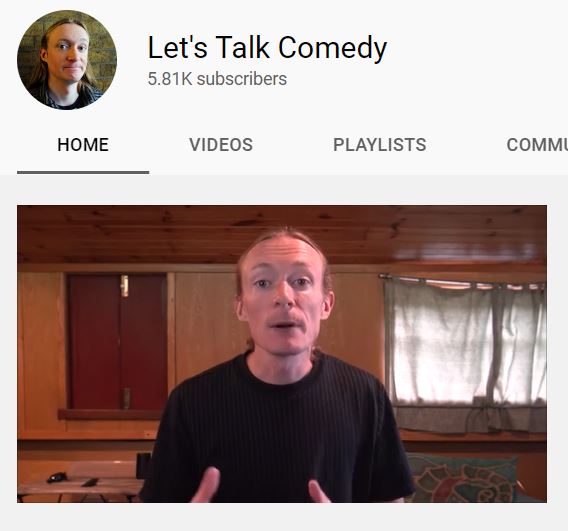
I was watching some of the videos on YouTube’s “Let’s Talk Comedy” channel the other day when the presenter said something that drew my attention. He said “It’s more important to be liked than funny. Much more important, at least at the beginning.
My first reaction was to get annoyed at this statement, to dismiss it as unhelpful and untrue. But once I got past my kneejerk reaction, I have to concede that there’s a lot of truth in it. But how much truth, and why did I respond so strongly to the claim?
First, some context. This was a video for starting comedians, first-timers. Nodody at open-mics expect “newbies” to be awesomely funny right off the bat, so being funny probably can’t be the highest priority. In that environment being likeable is important.
Imagine two new comics getting up and neither have the skill or material to be anything more than moderately amusing. The first one is humble, friendly and telling us about their weird life; their jokes are mostly self-deprecating. The second comic is an insufferable edgelord; he’s expressing a lot of entitled arrogance and his jokes are all bitter about andoffensive to women and people of colour.
It might be prejudicial, but I think we’re going to be a lot more forgiving to the first comic than the second. We’ll give her a chance and hope she sticks around long enough to get funnier. As for the second one – even if his material was technically funny, we might not be amused and probably don’t want to hear any more from him than we absolutely have to.
So it’s settled. It’s true and I guess it’s not even particularly controversial. Likeability is a thing, and it’s an asset to comedy. So why the hell did I get so defensive about it?

It probably started right at the beginning of my comedy career when a peer told me I’m not likeable. I don’t think he was trying to offend me (although it hasn’t escaped my notice that everything he ever said to me is either “I was only joking” jab or an extremely backhanded compliment). He was trying to help me, seeing himself as a kind of mentor. And the context was a comparison between another comic who started on the same night I did. It’s actually a pretty fair comparison.
Patrick Houghton, the other comic who started when I did, was 100% more relatable to audiences than I probably was. He’s affable and easy-going. He was instantly comfortable with the mic and stage and audience. He’s young, dressed casual and his style is casual and conversational. That’s a recipe for likeable, right? I like him too, for what it’s worth. He’s a good comic and a nice guy who’s smart and has integrity. I’m proud that Patrick and I are both still doing it three years later.
By contrast I was maybe twenty years older than most of the audience. I wasn’t comfortable with the mic (“Your mic technique is shit” said the backhanded compliment guy), not comfortable with being seen or with being on stage at all. I probably didn’t look relatable to a younger audience, and that instantly handicaps what I’m going to do up there.
It’s still pretty shitty for a fellow comic to tell me I’m not likeable and expect me to be grateful for the feedback.
I can see what a bonus the super-power of likeability is. Audiences try a little harder to understand your jokes. Even if you’re not doing great up there everyone wants you to. Even if you have a lot of room for improvement, people will see you again with optimism. People aren’t quite so quick to attack you if your joke touched the border of their sensitivities. Likeability is like MSG for your performance, except it’s a lot more effective.
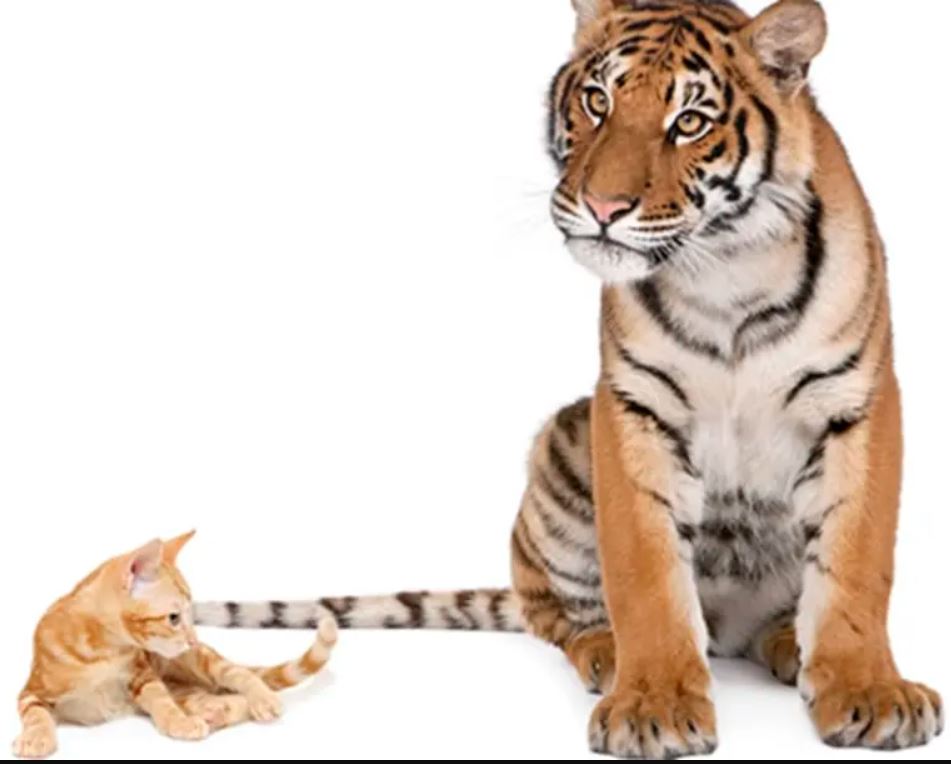
To explain the power of likeability, I compare domestic cats with tigers.
I think we can all agree that tigers are formidable. They can run and swim and climb. They have incredible speed and strength as well as super-senses. Their teeth and claws are razor sharp. You definitely don’t want to get on the wrong side of one.
That’s a feeling shared by pretty much every single creature on this planet. If it was all about power, tigers would be on the top of the food chain. Instead, they’re nearly extinct.
The domestic pussy cat is nowhere near as fearsome. They’re so much smaller, significantly less strong and less fast. They’re really only fearsome to mice and geckos. Instead of relying on their strength and prowess, they use the power to make people like them. Are they also nearing extinction? Nope. They flourish, living far more comfortable lives and are the most-watched celebrities on YouTube!

Likeability is clearly far more valuable than skill/power/prowess, and I’ve always resented that a little.
In almost every workplace I ever spent time in I could identify “housecats” who thrived and kept getting promoted with little or no demonstration of competency or effort because they were likeable. The people who ‘mattered’ enjoyed their company so tenure was never an issue. Meanwhile, employees all around them work three times as hard and fight to stay employed.
Likeability might be a skill but I personally don’t respect it much. Not after a lifetime of watching insincere flatterers win trust and approval while more worthy candidates don’t. Not after seeing a parade of charming cheaters and domestic abusers win romantic favour over suitors that are less charismatic but more worthy.
Why are election results to shitty? Because it’s not a competition about who’s more qualified. It’s not a comepetition about who’s smarter or more honest, more capable or more altruistic. It’s a compeition of who was more likeable.
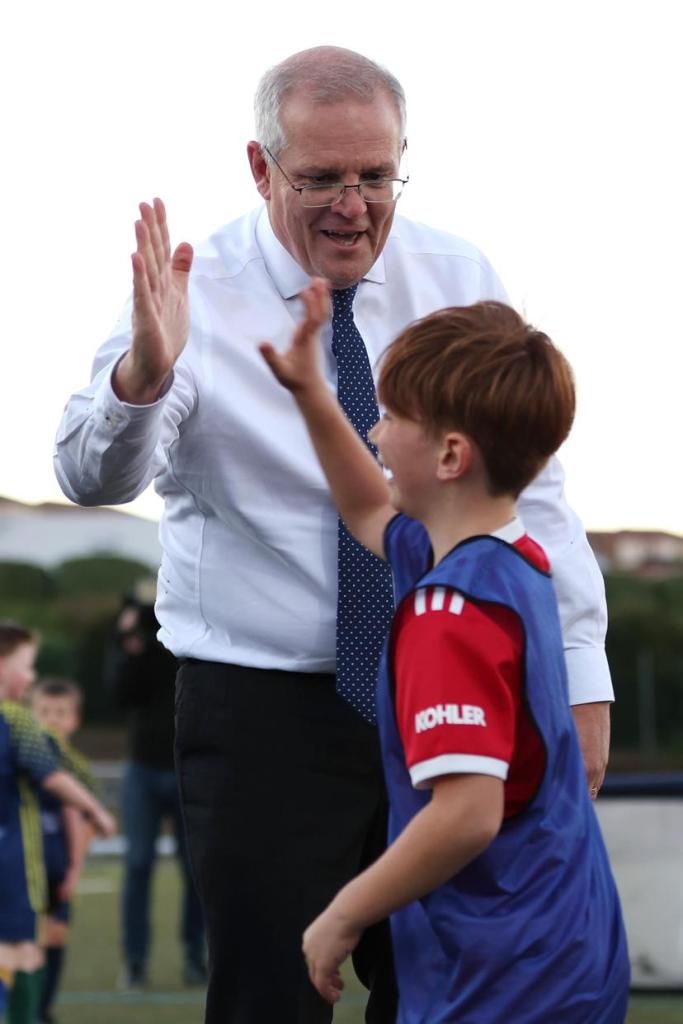
That’s why people choose daggy dads and guys you can have a beer with (in your dreams) for the most powerful and responsible positions in the land. It’s why we have an unending parade of hopeless corrupt idiots constantly fucking us over and rubbing our noses in it.
If there’s a weakness in human beings that might trigger our timely and justified extinction it’s our tendency to place way too much fucking emphasis on “likeability.”
So yeah, comedy…
I’ve seen comics at the open mics who instantly radiated “likeable” and it’s made us all optimistic about their chances at comedy. We know that all the other attributes of being a comedian are learned skills that can be acquired later (I’ll be writing something about whether comedy can or cannot be taught in the future. Spoiler alert: it can). If you’re able to create a bond with audiences and get them favourably disposed to hear what you have to say, you have a massive head start.
But you still have to do the work. Likeability is just part of it. You still have to produce material, to work on that material as well as working on the performance. You still need to work on all the other skills. I’ve seen likeability vanish when the material wore out. As the guy in the video said, being liked is more important than being funny at the beginning.
Personally, I never put much stock in “likeability” for my act. I never even tried to work out whether people like me or not, and I have no way of trusting the results even if I do. I never worked on being liked. I worked on my writing skills. I worked on my act by taking every possible opporunity to practise it. I worked on my authenticty. I worked on my material. I worked on the things I have control over. I have no control over whether people like me or not.
I’m 100% convinced that people might “like” me more if I were half my age, skinnier, more gender-fluid, ticked more diversity boxes, pandered to locals in the area, did more puns and one-liners, avoided challenging material, did more self-deprecating jokes, talked about sports, dumbed-down my act, smiled more.
These are things I might consider if I were trying to increase my likeability score. I’ve felt like these factors were bigger drivers than actual skill in competitions. If I wanted to “win” more, I’d try to be what people find more relatable.
But fuck that. Comedy doesn’t pay my bills. Until it does the reward I get from it is my own creative expression, the chance to express my authenticity, to choose what topics I’d like to spend time with. I get more thrills from “levelling up” my skill with comedy than I do from approval polls.
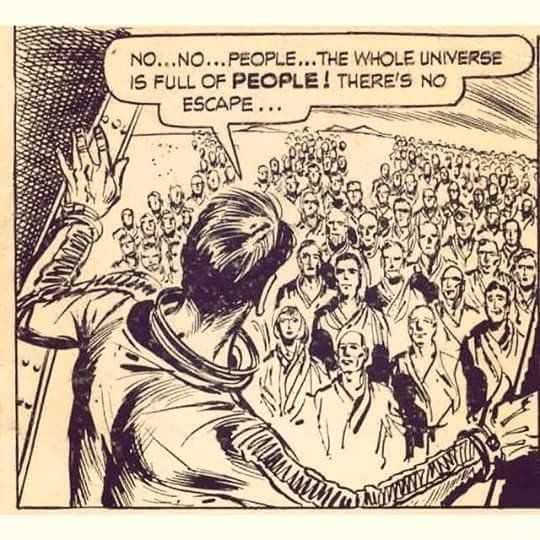
Besides, I can bring people around.
I’ve killed in venues where the audiences were half my age and didn’t look likely to instantly find me relatable. More than once. I don’t have to artificially appeal to anyone. If I’m good enough they’ll find a reason to like what I do. If they’re genuinely not my people I’ll find the ones who are. It’s a big world out there, filled with different tastes and priorities. I’ll concentrate on being better at what I do and trust that my tribe will find me 🙂
,
 Sean Cooper, Comedian
[…] here for a good reason. He spoke confidently. He was friendly and likeable. That has some value (which I discussed here) and that’s something I had to work on when I started. Was he funny, though? Had he written […]
LikeLike