I love to talk shop with other comics. A lot of comics seem to like “busting each other’s balls” when they hang out but I’d rather be talking about the craft; the creative process, sharing insights and experiences and generally chatting about the thing we’re passionate and geeky about.
One of the aspects I’m always interested in is whether actual experience match the common wisdom of stand up, especially about ubiquitous standard advice. For instance, will people really like you more if you’re self deprecating? Do you really have to get a laugh in the first 15 seconds? Is word economy the highest value?
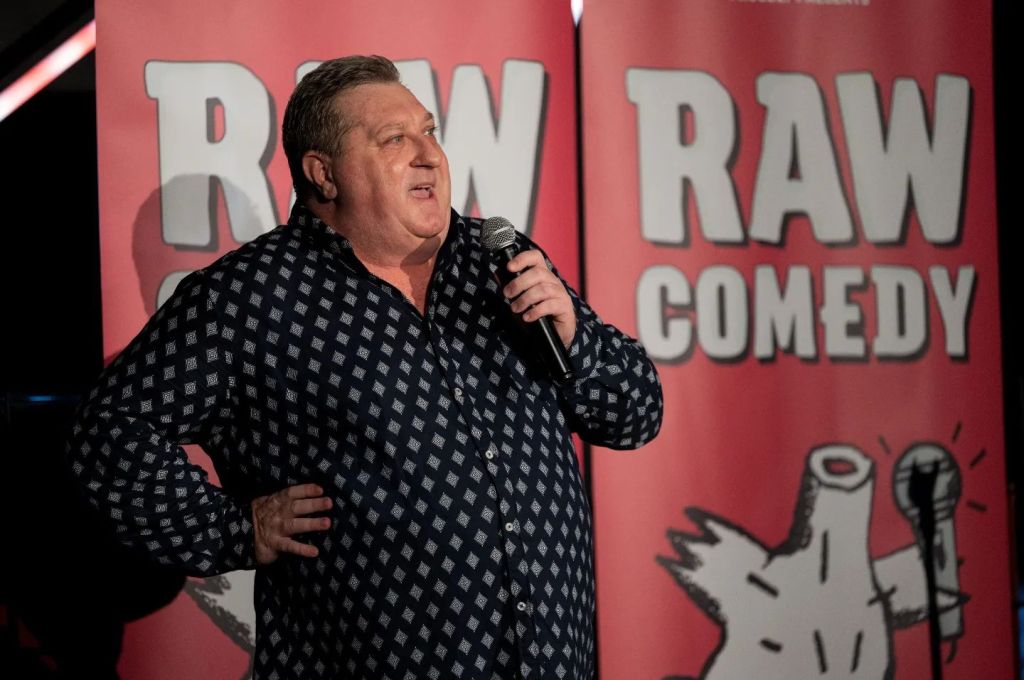
I got to briefly catch up with Indy C at the Sistas In Comedy event for International Women’s Day. We were doing a little post-competition analysis after the Townsville RAW Comedy heat. One of the things we’d all stressed about was the length of our sets. It’s a golden rule in comedy that nobody wants you to “run the light” or go overtime, but it’s really emphasized with RAW, and with 18 performing comics on the night that makes perfect sense.

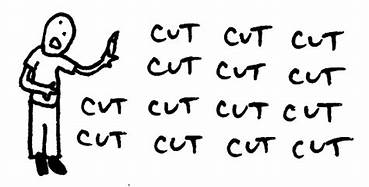
We’d all been warned to keep our sets under 5 minutes or our mics would be cut, the play-off music would play loud and the MC would come on stage to ensure the offending comic would exit. When I spoke with other entrants, the possibility of running overtime was the one thing we were all worried about.
For my own part, I needed to get a set written at 8 minutes down to 4.30 or less. I spent a couple of weeks aggressively re-writing it, trimming, tweaking and tightening. With a lot of work I got the routine to 3 minutes 3 seconds. This was much less than my maximum but also a safe margin where I wouldn’t have to worry.
According to stand-up theory, this will have improved the set. A lot. Word economy is a good thing. The shortest distance to a joke makes it leaner and more muscular. Less redundant information increases your laughs-per-minute ratio. Less superfluous words increases focus on what counts. “Trimming the fat” makes your comedy routine funnier and more effective.
According to common stand-up wisdom, boiling my 8 minute set down to it’s 3 minute essence would have to make it stronger. Did it? I’m not sure.
When I was performing it I couldn’t effectively gauge the audience reaction. People told me I did very well but I wasn’t so sure (it’s hard to tell from some stages). I didn’t win, and I haven’t watched the recorded footage yet, so I honestly don’t know how good I was on the night.
Indy C competed last year and knows about the time thing but she suspects I might have cut too deep in the re-write, pursued word economy too aggressively to fit the time constraints. She told me that RAW judges are good at detecting when material is pulled from a longer set.
I’m ambivalent about word economy. The shortest distance between two points isn’t always the most enjoyable route, and comedy isn’t just an efficiency exercise. Indy C tells me she feels similarly. We’ve both tried stripping down our routines and it hasn’t always worked well for either of us. We’ve both found that the bare bones result doesn’t get the same warm response. We’ve both seen first-hand that some of the “fluff” softened of the impact of edgy material which might otherwise be received adversely.
Even when the joke isn’t ‘edgy’ the “fat” we cut might be what brought colour to the story. And those extra words might make the difference between feeling like a friend is sharing an entertaining story and a performer is reciting one.
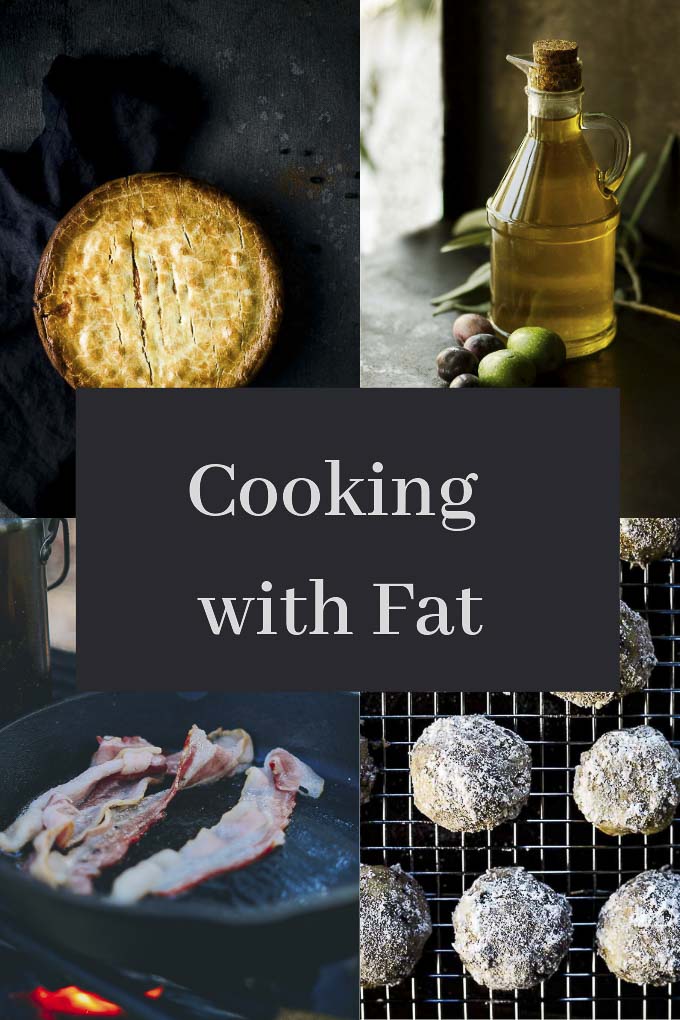
Then came the epiphany – “Fat is where the flavour is!”
I’ve watched so many cooking shows, competitive reality TV and instructional programs from renowned chefs to have heard this phrase uttered many times. Professional chefs all agree that the leaner meal stripped of the fat might score better on a nutritional rating, but that flavour comes from fat. If we’re eating for pleasure we’re probably not looking for flavourless nutrients from the most efficient delivery system.

Comedians aren’t robotic joke-delivery machines. We’re humans. Audiences aren’t trying to access flavourless punchlines in the most efficient manner. You’re trying to get a sense of who we are. We’re trying to communicate who we are. People can steal the our jokes, especially when they’re boiled down to the bare essentials, but it’s not so easy when they’re infused with who we are.
We want you to have a great time. We don’t want to feed you unappetizing dry gruel. We want to give you flavour.
Obviously we still care about word economy. When I’m in a comedy audience my patience and attention will wane after too much waffle, and I’ll laugh louder to jokes with impact. But I also want flavour, not a lifeless dry scrap with all the fat drained from it.
This is the lesson I’ve learned this week – that when I start trimming and sharpening in the name of economy, I want to exercise a little restraint and leave enough fat for flavour.
 Sean Cooper, Comedian
[…] I’ve written that while these tips are smart and based on pragmatic advantage, you don’t have to hit your first punchline in 15 seconds (but you’d better get everyone’s attention in the first 15 seconds). You don’t have to flagellate yourself with self-deprecation to make people like you. I’ve written that our word economy, while important, shouldn’t be so aggressive we cut all the fun out of the materi… […]
LikeLike