
Comedians hear people say “I could never do what you do” more times than you could ever imagine. It’s hard to imagine that they’re referring to the act of standing and talking, because most people already do that.
They could be referring to being funny, because moving strangers to laughter is harder than it looks, but more likely they’re talking about how we brave the possibility of “bombing.”
‘Bombing’ is failing on stage, not doing well. People are rightfully afraid of this because it feels catastrophic and humiliating at a level that’s light-years beyond the limits of most people’s comfort zones. We also call it “dying” onstage, but most people would rather actually perish than go through the tortuous process of soldiering on and “doing your time” to an unresponsive or hostile crowd.
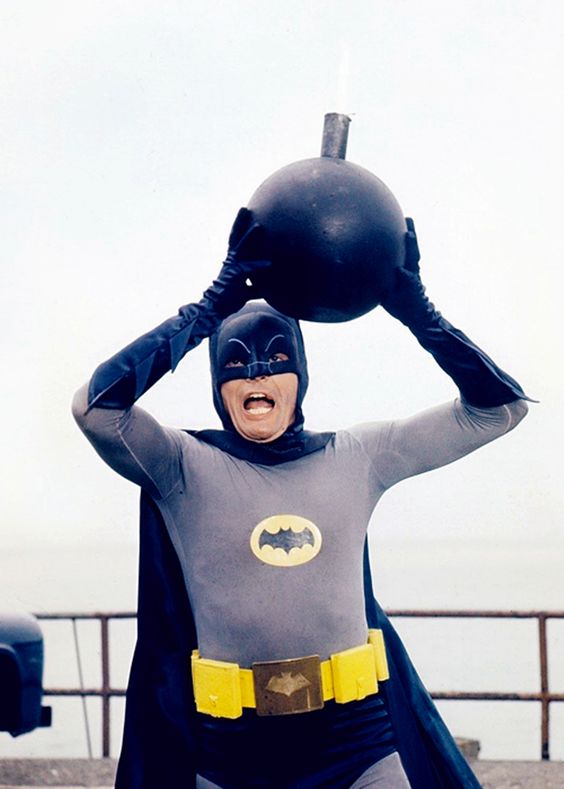
Bombing is horrible. How do I know this? Because I’ve experienced it. All comedians have. That’s right – All comedians. Even the ones you think it would never happen to.
Comics share a special bond even if we’ve never met. Some of it’s a love of the artform. Some of it’s the knowledge that we all have a particular way of viewing and processing the world. And some of it comes from the shared experience of bombing, all having endured something too unpleasant for most people to consider.
Because the fear of bombing prevents a lot of people from having a go in the first place, it’s easy to forget about it once you’ve survived your first stand-up experience. We focus so much on the live-or-die of that first time we’re relieved when it’s over and forget that Bombing is always a real possibility. Always.
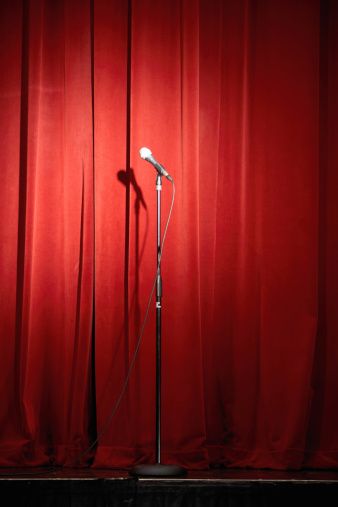
I was lucky and did pretty well the first time I got up at an Open Mic. I say ‘luck’ because that’s always a part of it. I wrote jokes, constructed a five minute set packed with original humour. That doesn’t sound like much but a lot of people don’t do it before doing their first Open Mic (and it does show). Anyway, luck and preparation are both factors. I maximised my chances by working on the bit I could control but there’s always factors that you can’t control and I’ll be referring to those as ‘luck’.
I had a good run for my first few gigs (even though the material and performance makes me cringe now) and thank goodness for that because you really need positive feedback to keep going at it… but I always knew deep-down that sooner or later I’d experience the soul-crushing misery of bombing. It’s inevitable. I worried about whether I’d be able to endure and survive it, so I kind of needed it to happen ASAP so I could know what I was dealing with.

Did you imagine that bombing doesn’t happen to “good” comedians? The 2002 documentary Comedian forcuses on Jerry Seinfeld’s return to stand-up after dominating TV for a decade. For his first gig everyone cheers as he comes on but… he bombs. Nobody doubts Seinfeld’s mastery of stand-up. He’s philosophical about the poor reception and treats it as useful feedback. He embarks on a year-long journey to improve his material and delivery (this documentary brilliantly juxtaposes Seinfeld’s attitude with that of another comic, Orny Adams).
Bombing is so inevitable, it’s a requirement. As far as most comics are concerned, if you haven’t bombed you’re not a real comedian yet. You’re just a dabbler with a lucky streak. Actual comedians know the pain of the experience. It’s a rite of passage.
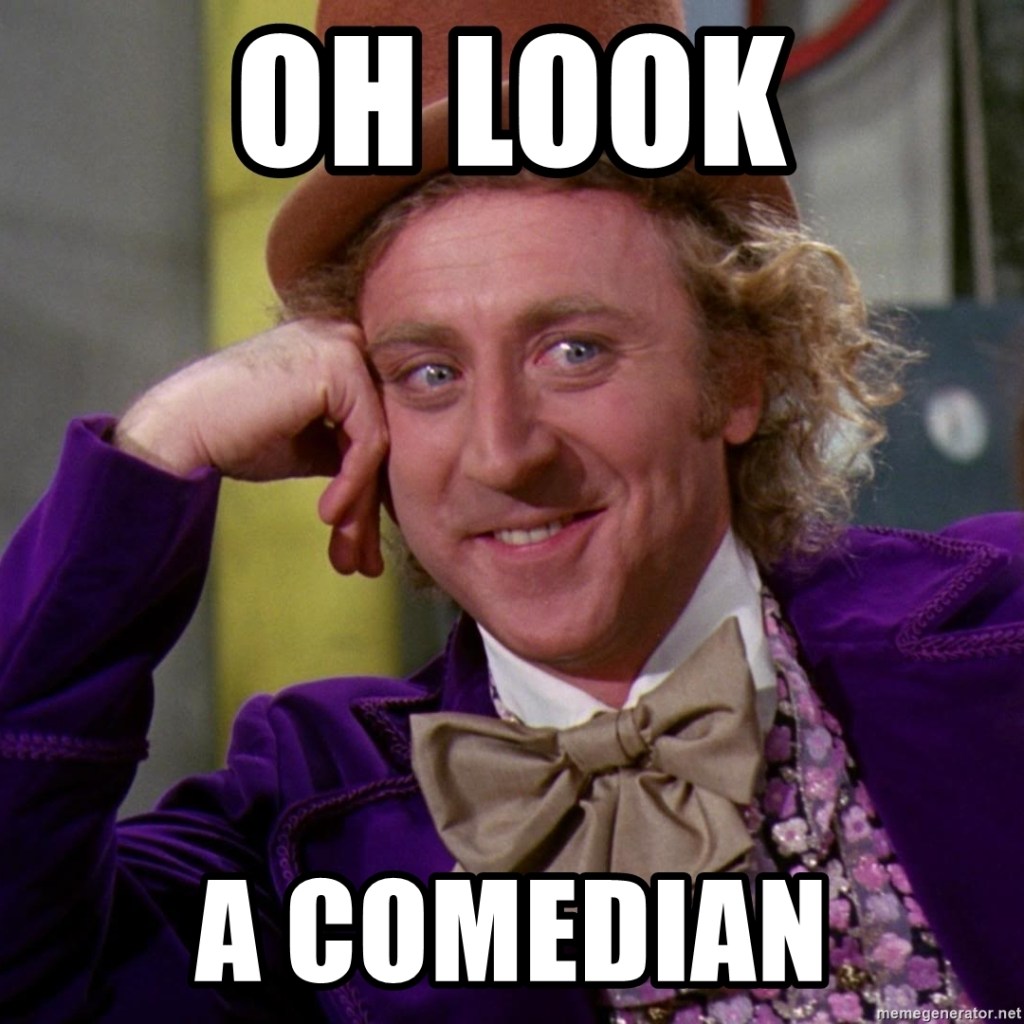
When you’ve endured the agony, found the inner strength to keep pushing through it, learned the strategic tools, developed the ability to reflect and learn from it, and worked on your emotional resilience sufficiently to get back up and try again… then you’re a comedian.
Congratulations! You’re now equipped with the essential experience and emotional scar tissue that other comics possess. Your respect for other comics is both increased and mutual.
So what’s it like, exactly? As you’d imagine, and as I’ve implied, it’s a bad time. It’s more complex than that, though. I got a little taste early on and had another dose last year when I bombed twice in a row.
The first bad gig was in front of a friend from high school who’d travelled to these parts to finally see me do comedy, and it can’t have left a good impression.
I can see in the rear-vision mirror that I didn’t try hard enough.
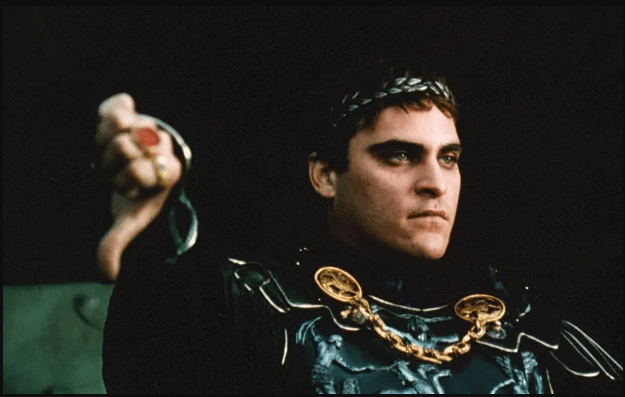
I got overconfident with the venue and material. It was a gig I didn ‘t care enough about and I thought I could ‘autopilot’ my way through it.
I was wrong. I forgot punchlines and whole jokes. I let the rowdy audience under my skin. I blamed it on the terrible accoustics at the venue and the drunkenness of the late crowd, but 20 minutes later another comedian absolutely fucking killed. I had to take responsibility for my failure.
A couple of weeks later I got to learn that there’s something worse than bombing for five minutes on-stage; bombing for twenty. Longer sets are a completely different kind of beast and I’ll be writing more about this, but what I’ll say now is that it’s a lot harder to maintain a stiff upper lip and ignore the pain when the journey is so much longer. It was unpleasant experience but you learn lessons you’ll never forget. I can now think of things I could have done to correct or save the performance, but I don’t particularly blame myself for how things went on this occasion. Sometimes it’s the wrong comic and sometimes it’s the wrong audience, and that’s OK.
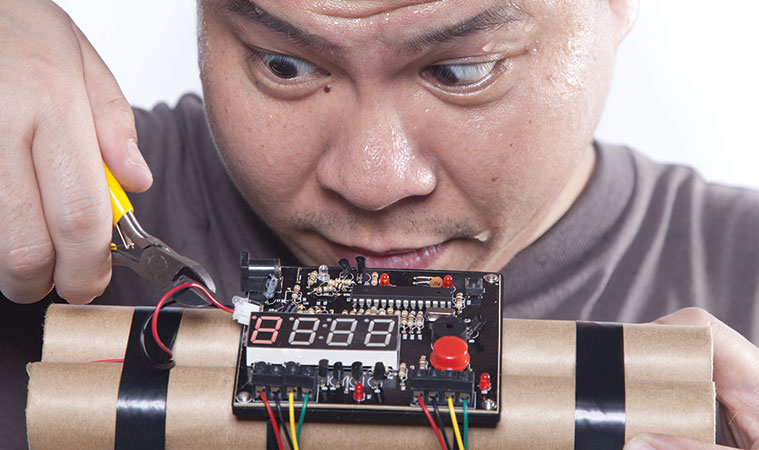
Anyway, what it’s like is a bit more complex than discomfort and humiliation and stress and anger and all of the other emotions overwhelming you while you’re trying to do your work. Even when you add the struggle to regain control of the room you’re not even coming close. It’s extreme multitasking, something like trying to defuse a bomb under pressure while everyone around you is expressing disapproval for you and actively trying to make the job harder.
The comedian who’s bombing is the hardest working person in showbiz. They’re analysing, strategising, recalibrating their material, calculating the changes they have to make and keeping track of time in their head while analysing the room and managing their emotions so they can still keep performing without showing any sign of stress. The duck who looks calm on the river’s surface while their legs are madly working underwater has nothing on the stand-up comic who’s having a bad gig.
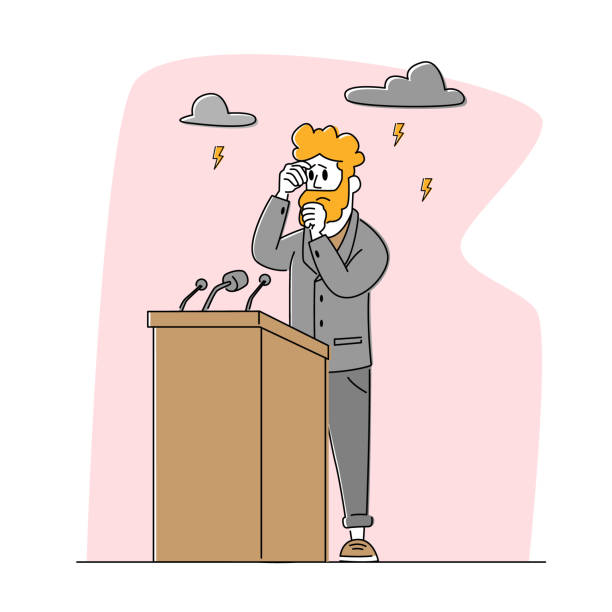
This is one of the reasons that bombing is an important step to becoming a comedian. If you haven’t been challenged with a bad gig you don’t know what the skill-set is. When you bomb onstage (or ‘die’ or ‘eat shit’ or any of the other charming terms we use) you build important muscles and get insights that only other comics have.
The painful humiliation of a terrible gig is a strange wish to have for your friends and colleagues, but if you’re serious about becoming a comedian I want you to bomb at least a few times. It’ll be good for you, make you a better comic and create an emotional bond with other comedians everywhere. Have a terrible gig!


[…] longer sets didn’t quite match up with the experience. One one occasion, which I mentioned in another post, I failed hard and discovered that dying on stage is even less fun when the agony is extended. […]
LikeLike
[…] It’s not just that moving strangers to laughter is more complex than it looks. The required personality traits aren’t what people assume. They think it’s about being zany and outgoing, but we know that it’s about being determined, committed and building emotional resilience in the hardest possible way. […]
LikeLike
[…] driven by the same discontent and have the same need to be understood. We all know how excrutiating it feels to bomb, and we’re all willing to repeatedly expose ourselves to the risk of feeling that again. We […]
LikeLike
[…] sometimes it’s not even that dramatic, but still fucking awful. I’ve talked about how awful bombing feels, which is something you can’t even begin to explain to people who don’t know it […]
LikeLike
[…] wondering about is the level of predictability in live comedy performance. As I’ve mentioned here, bombing is an inevitable part of a comedian’s life. Also, it happens to every single one of […]
LikeLike