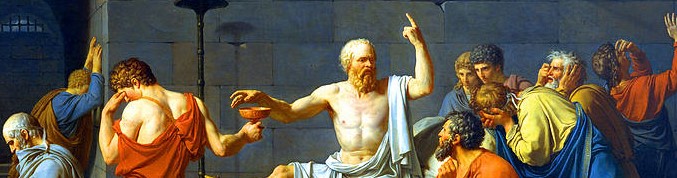
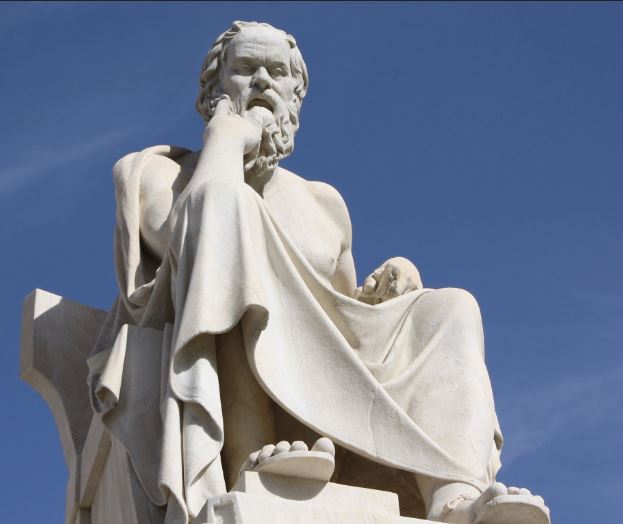
In the Socratic dialogue Protagoras, Meno tells Socrates that he teaches virtue and Socrates asks him if virtue is something that can be taught. Then after being a dick about it, Socrates examines the question closely and decides that it actually can.
This debate pops up regularly in comedy too. On the “Yes” side there’s a big industry that teaches stand up comedy. if you’re looking to become a stand up comedian you’ll be stunned at the range of stand up comedy courses, masterclasses, instructional DVDs and books all promising to make you a stand up comic.
There’s also a pretty vocal bunch who’ll tell you “No! It takes a particular type of person. You’re either born funny or you’re not. You can’t teach intuition and timing and wit. Stop trying to buy talent!”
Both sides have a point. I know from my time doing music, as with other arts, there’s technical knowledge that can be taught. I’d have been a much better musician if I learned it, trained and practiced etc.
All of the arts have a theoretical aspect and it’s extremely hard to be a good painter, poet or musician if you don’t know the craft. But then I also know plenty of musicians who’ve been taught, know all the theory and trained hard. And many of them are uninspired, uninspiring, seemingly have nothing to say and don’t seem to have any grasp on what actually moves people. Learning chords and composition might have made them proficient instrument-players but it’s hard to think of them as artists.
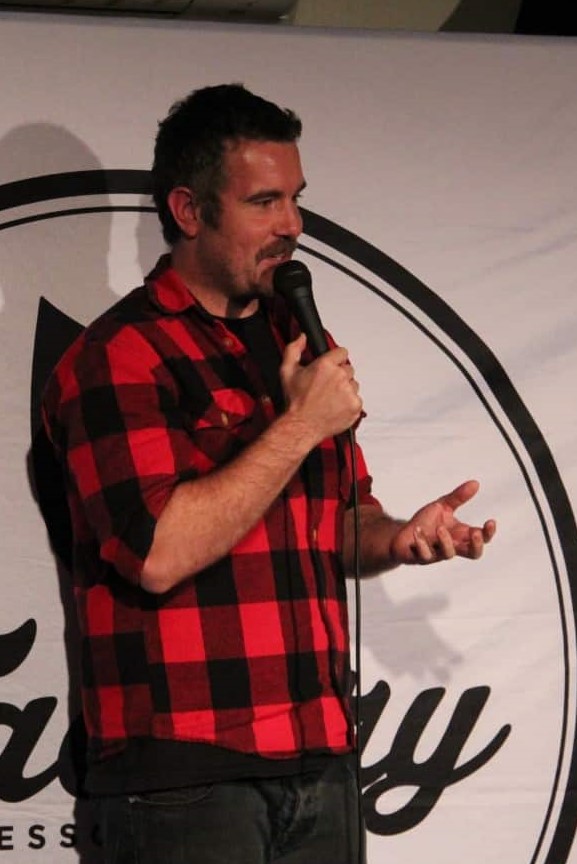
Comedy, like other art-forms, has two components: There’s a “soft” or “art” side that includes a comic’s insight, perspective, creativity, innate ability to relate and connect with people and all the stuff that gets called an “x factor.” And then there’s the “hard” skills, the “science”side of it all – and under that umbrella is word economy, understanding the algebra of joke structures, stagecraft, and a whole range of other details. Any comic with with a deficiency on one of those elements is doing themselves a disservice by not improving it, no matter how abundant their other skills might be.
Last year I attended a Masterclass with excellent comedian Jacques Barrett and, yes, I learned stuff. I learned a few game-changing things I use to this day, and it was very worthwhile. If you have the rare opportunity to learn from Jacques, go for it.
As you already know, I’m a hilarious and gifted comedian, famous for my unique blend of incisive humour and effortless modesty. Jacques Barrett is a good teacher but if I were a clueless scrivener with no sense of irony, empathy or joy, I suspect he might not be able to do much. Can you make a comedian out of someone who doesn’t already have an inner comic?
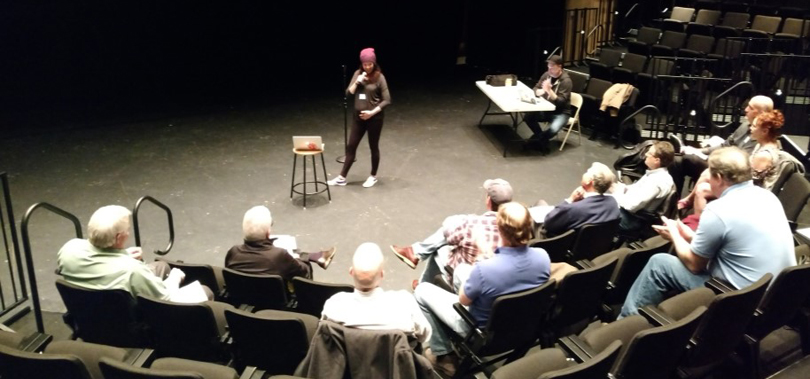
Let me tell you a story; In 2004 a good friend of mine told me he’d signed up for an 8 week stand-up comedy course. This was 15 years before I’d do my first open mic and pursue stand-up myself. I was surprised. I didn’t even know about comedy courses.
He’d paid nearly $800, I think, and the big graduation at the end was a show. He and all the other students would put on a show in the comedy club that ran the course. I don’t know exactly what they did over the eight weeks but he told me there was a lot of self-esteem boosting and “finding their inner voice.” He said they were work-shopping with him and all the other students on their first five minutes of material.
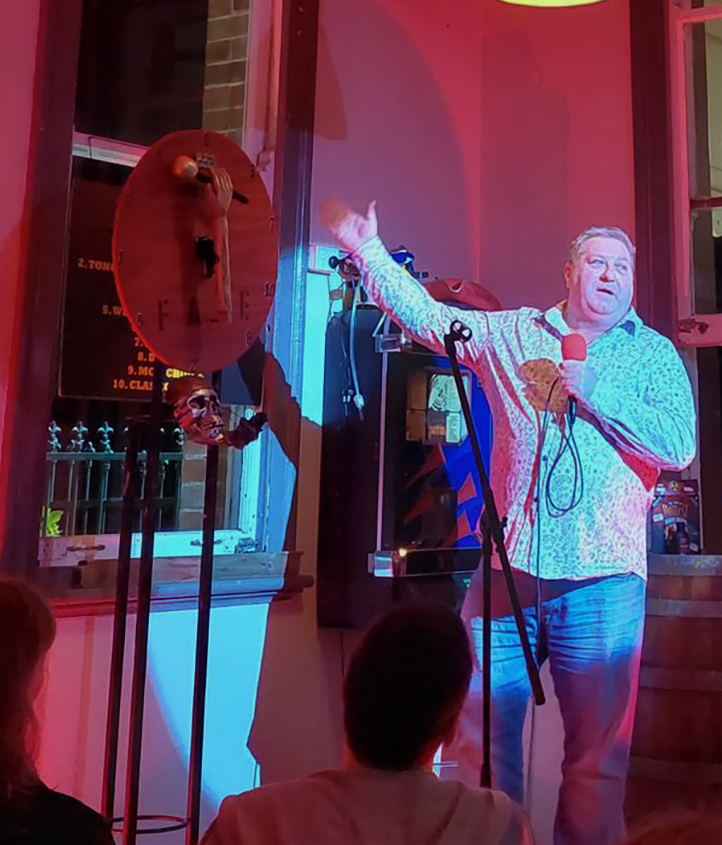
He asked me to come to the “graduation” show. Apparently all the students had to get 15 of their friends to attend. There’d be 250 people in the crowd supporting their friends even if they weren’t even interested in live comedy. The students had no idea that this artificially-induced audience might be the biggest, most supportive and forgiving audience they might ever witness.
I was keen to check out my friend’s talent and even keener to see the standard. I wanted to decide whether this course was any good because I had fantasies about being a stand-up comic and had no idea how to get started.
So how was he? Well… I’ve withheld his name here for a good reason.
He spoke confidently. He was friendly and likable. That has some value (which I discussed here) and that’s something I had to work on when I started. Was he funny, though? Had he written any jokes?
Ummm… nope.
He delivered 5 minutes of George Carlin’s material. About Farts. From 1974. From a best-selling album that went Gold and got re-issued 5 times. And he did it verbatim, with the same inflections and cadence that Carlin delivered it. My mate plagiarized from one of the biggest comedians on the planet
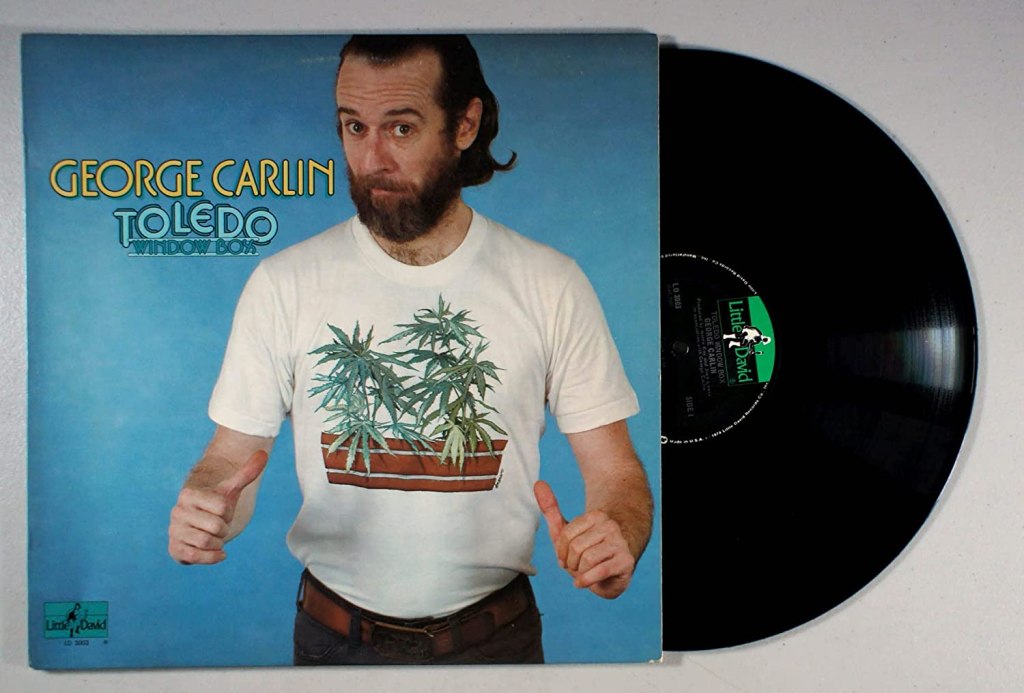
He probably did get away with it, kinda. The audience weren’t exacty comedy connoisseurs. But I spotted it instantly and didn’t know what to say later when he’d ask me to tell him nice things about how he did.
I had questions, mostly about this $800 comedy course (who’d also make another $300 per student from the graduation show). Were they really helping him “write” this?
The eight weeks they spent “workshopping” his material with him – what the fuck did that look like? Did these “comedy experts” really not recognise George Carlin’s famous bits themselves? Didn’t their course cover “don’t steal”? Didn’t they explain that joke theft is a cardinal sin in the comedy world? I thought even the shittiest comedy intro course would cover that.
More importantly, didn’t they feel obligated to protect their students? I can’t believe they took $1,100 off my friend and weren’t concerned at all about him looking like a fuckwit to the people who could have the greatest impact on his comedy “career.”
The punters might not notice but they’re probably never setting foot in a live comedy venue again. The real comedy fans, other comics and club bookers would all know – they could confront him, talk shit about him, block him, prevent him from getting work, “cancel” him.
Only a year later, in 2005, Joe Rogan famously accused Carlos Mencia of joke theft. Carlos Mencia was in season 4 of his own TV show which was massive… but the show immediately got cancelled and Mencia disappeared pretty much forever.
Plagiarism is a big deal in the comedy world, so I couldn’t wrap my head around these expert tutors letting their high-paying students make first impressions with stolen material. What kind of teachers were they? And what the fuck did they do for eight fucking weeks?
So, chatting afterwards I told him I also liked comedy and had been writing it at home. He scoffed at that and told me that what he learned in his course was that writing isn’t important because comedy has nothing to do with clever writing. He told me that it’s all about the feel and being likable, and “authenticty.”
If he had the ability to recognize the irony of lecturing me about authenticity after passing off stolen material as his own he might actually have the ability to write some pretty good jokes!
But I digress. This isn’t about him.
It’s about the teachers who took his money and only made him feel like a comedian.
Like a dodgy Evangelist who only makes you feel healed and actually does nothing about your cancer.
Obviously they never taught him how to write a joke. They even told him that joke-writing doesn’t matter. They never taught him not to steal jokes… even though it could be the only important thing you need to survive as a comic. Besides telling him to be likable, what the fuck did they do for eight weeks? I’ll never know because I immediately decided they’re not getting my money and couldn’t teach me anything I needed.
I still believe that comedian skills can be taught. I have read all the instructional books, seen the videos and attended a class with a comic I respect. I’ve found most of these resources very limited in value. The books mostly all offer the same basic principles, most of which are just “serving suggestions” and none of which will make you a comedian. I got some great info out of Jacques Barrett’s masterclass, but I had to become a comedian first to understand and implement it – he doesn’t promise to make you a comic.
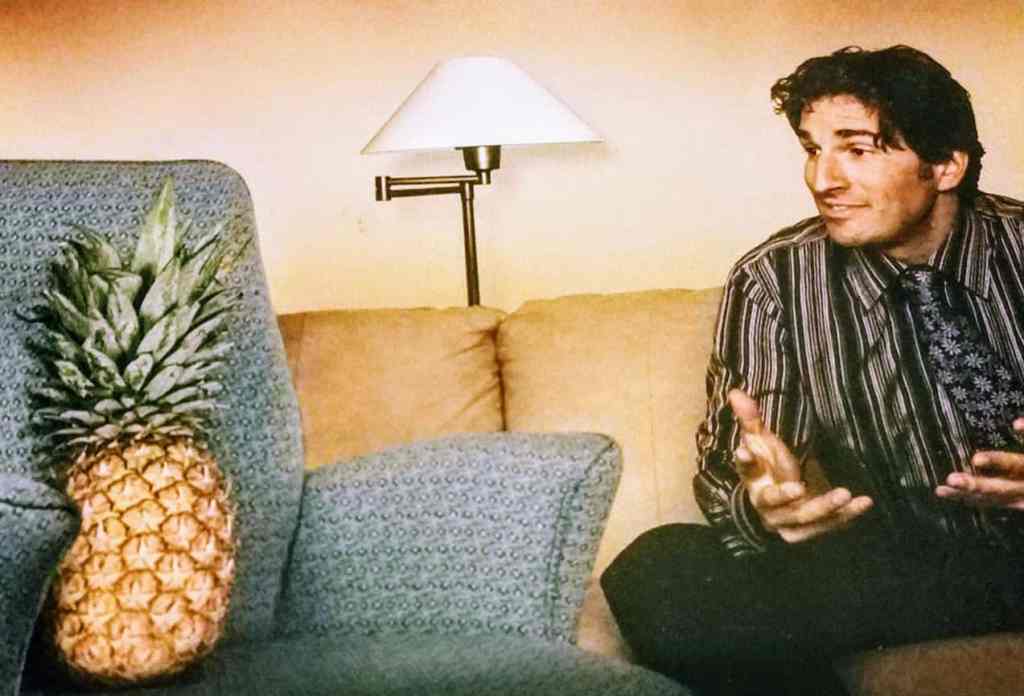
And there’s no substitute for doing. Aspiring comics who’ve met Gary Gulman said they were disappointed when they told him they were considering doing comedy and asked for tips. He would consistently tell them to just “do it”; that you learn the most by actually getting up and doing the thing, and that any advice is just going to seem abstract until you’ve actually begun performing comedy.
He’s absolutely correct and I’m not just saying that as his #1 fan. Gary Gulman is actually extremely generous with his knowledge. He spent a year publishing these 365 comedy tips that are invaluable to anyone doing comedy.
Most comedians look down at the prospect of comedy courses that promise to make a comic of you. Most comics I hear from who got started with a comedy course will quickly emphasize that they quickly outgrew and dismissed everything they learned at the course, started doing their own thing and began the process of self-creation.
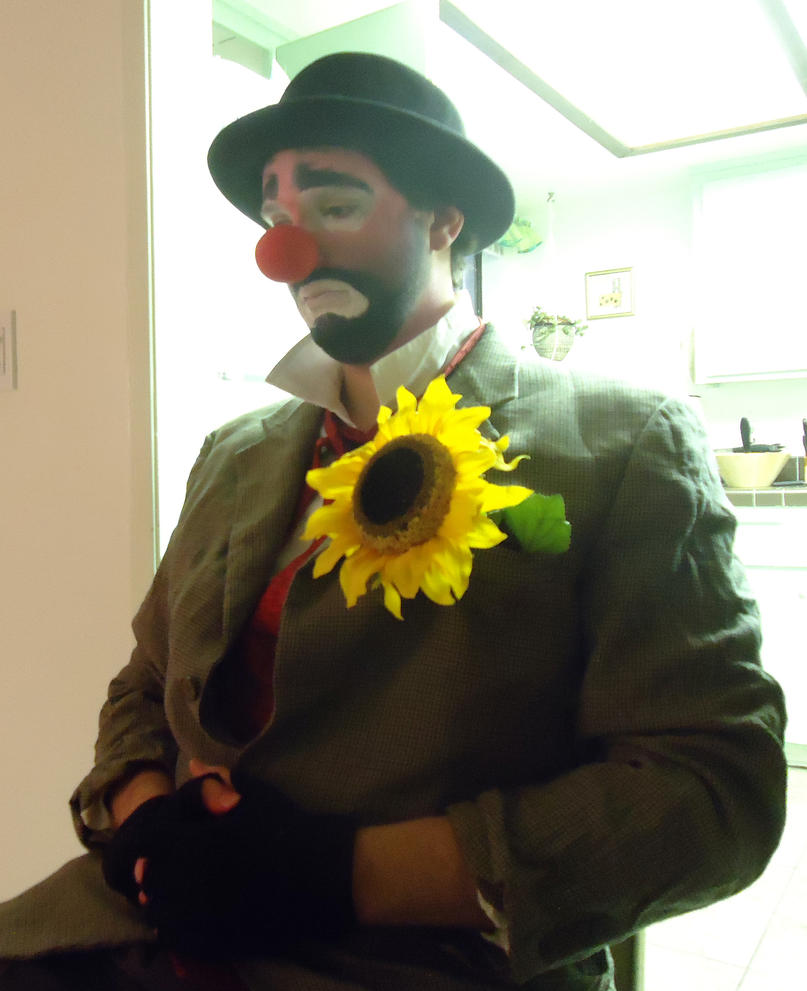
The prevailing idea is that those courses are “wrong” but I don’t think that’s accurate. I don’t think they’re wrong, just overwhelmingly bad. I think the idea of comedy instruction is great, but even the biggest and most respected comedy courses I see (I won’t name them) tend to be cheesy, formulaic and out of touch. I’ve seen YouTube videos of comedy instructors basically teaching the construction of terrible cringe-worthy “dad jokes.”
You’d struggle to find any footage of these stand-up “experts” anywhere – it’s almost as if the experts didn’t have much more experience than most of their students. And both the jokes and course content make me believe that any comedy work the teacher did must have been a very long time ago.
If you choose a comedy teacher, make sure you respect them as a comedian. If there’s no evidence of what kind of comedian they are, keep shopping
Lots of comics want you to believe that what they do is a special gift, something you couldn’t learn. That we have unique mutant superpowers that could never be copied or learned. I do believe in talent and some comics just have a natural aptitude for comedy. But talent alone isn’t going to take you much further than likability. Becoming a comedian requires developing a range of skills that are learned – skills ranging from joke construction and time management to microphone technique and stagecraft.
I was recently thrilled to hear from a friend of mine who’s planning to start doing comedy (I think he’ll be great at it), and he told me that my own efforts are his main inspiration to get up and have a go. He also raved about website which is basically a collection of my thoughts. Looking through my archives I see lots of information about creating and organizing comedy material, using tools like Rocketbook, finding inspiration, etc. I’m glad to have compiled some useful stuff here.
Can comedy be taught? Yes, just as most things can be taught. Just choose your teachers wisely because some self-appointed mentors don’t even realize they’re setting you up to fail. There are also many great teachers, but your best teacher will always be Experience.
 Sean Cooper, Comedian